
Awaab’s Law: What Landlords Need to Know About Damp, Mould and Their Legal Responsibility in 2026
Most landlords still don’t fully understand what’s coming.
And that’s a problem.
In 2020, two year old Awaab Ishak sadly died as a result of prolonged exposure to mould in his home.
That tragedy led directly to the introduction of Awaab’s Law, a piece of legislation that is now reshaping how landlords must deal with damp, mould, and housing conditions across the UK.
From 1st May 2026, the law is being extended into the private rented sector in England.
This is no longer guidance. It’s a legal obligation.
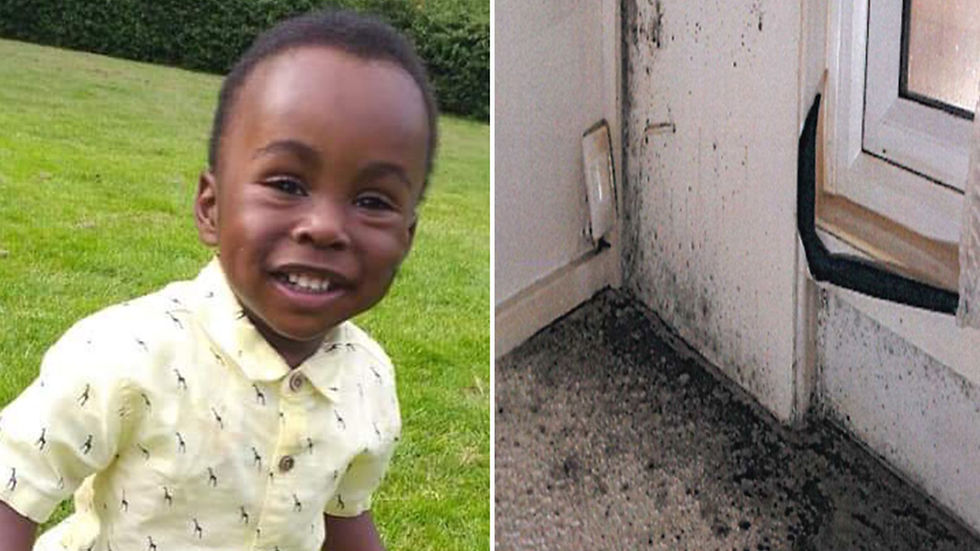
What Is Awaab’s Law?
Awaab’s Law requires landlords to:
Investigate reports of damp and mould within strict timeframes
24 hours of becoming aware of the emergency hazard
Take prompt action to resolve the issue
Ensure homes are safe and free from health hazards
Failure to comply can lead to:
Enforcement action
Financial penalties
Compensation claims
Legal disputes
There are no grey areas here.
If a tenant reports a problem, it must be taken seriously and dealt with properly.
See this screen shot below, from the gov.uk website

Why This Matters More Than Ever
For years, damp and mould have been treated as “minor issues” in many rental properties.
Paint over it.
Blame ventilation.
Tell the tenant to open a window.
That approach is now legally and commercially outdated.
Because the reality is:
Damp damages property structures
Mould affects respiratory health
Poor living conditions create long-term liability
This isn’t about maintenance anymore.
It’s about duty of care.
The Biggest Mistake Landlords Make
Most landlords don’t ignore problems intentionally.
They just don’t fully understand them.
The common mistakes:
Treating symptoms instead of causes
Using short-term fixes (anti-mould paint, wipes, ventilation advice)
Delaying action until it becomes severe
Relying on outdated building methods
And this is exactly where risk builds.
Because once a complaint is logged under Awaab’s Law, the clock starts ticking.
What Counts as a “Serious Hazard”?
Under the updated regulations, landlords must act on issues including:
Persistent condensation
Black mould growth
Damp patches or water ingress
Cold bridging and poor insulation
Poor ventilation leading to moisture build-up
If it impacts health or safety, it qualifies.
And mould especially black spot mould is now firmly in that category.
The Shift: From Reactive to Proactive
This is where the market is changing.
Landlords can no longer afford to:
❌ Wait for complaints
❌ Apply temporary fixes
❌ Pass responsibility back to tenants
Instead, the focus must be:
✔ Prevention
✔ Proper insulation
✔ Moisture control
✔ Long-term solutions
Because prevention is always cheaper than enforcement.
What Are the Real Solutions?
This is where the conversation needs to mature.
There are only two ways to deal with damp and mould:
1. Temporary Fixes (What most people do)
Anti-mould paint
Cleaning products
Dehumidifiers
Ventilation advice
These treat the symptoms, not the cause.
2. Performance-Led Solutions (What actually works)
Breathable insulation approaches
Thermal upgrades
Moisture-regulating coatings
Systems designed to reduce condensation risk
These address the root cause of the issue.
Where Cork-Based Solutions Fit In
One of the fastest growing approaches in the UK market is spray cork insulation and trowel applied cork plaster.
Why?
Because they:
Improve thermal performance
Help reduce condensation risk
Remain breathable (allowing moisture to escape)
Can be applied internally with minimal disruption
Solutions like AeroCork are designed to deal with:
Cold walls
Condensation
Damp-prone environments
Not as a quick fix, but as a long-term improvement to how a property performs.
What This Means for Landlords
Awaab’s Law changes the expectation.
It’s no longer enough to respond eventually.
It’s about responding properly and within defined timeframes.
Landlords who take a proactive approach, understanding their properties, addressing root causes, and investing in long-term solutions, will have nothing to worry about.
Those who don’t will find themselves exposed.
For years, damp and mould have been treated as minor issues.
They’re not.
They’re a signal that something in the property isn’t performing as it should.
Awaab’s Law forces a shift from:
reactive fixes
to
responsible ownership
And that’s a shift the industry needed.
If you’re a landlord, property manager, or contractor and you’re unsure how this applies to your property or projects, it’s worth getting clarity now before it becomes a problem
.
Understanding the cause of damp and mould is the difference between a quick fix and a long-term solution. Apendix

Please see this flow chart above, from the gov.uk website


