The Health Risks of Black Spot Mould You Need to Know
Black spot mould is a common problem in many homes and buildings, yet its impact on health often goes underestimated. This type of mould thrives in damp, poorly ventilated areas and can cause a range of health issues, especially for vulnerable individuals. Understanding the risks associated with black spot mould and how to prevent it is essential for maintaining a safe living environment.

What Is Black Spot Mould?
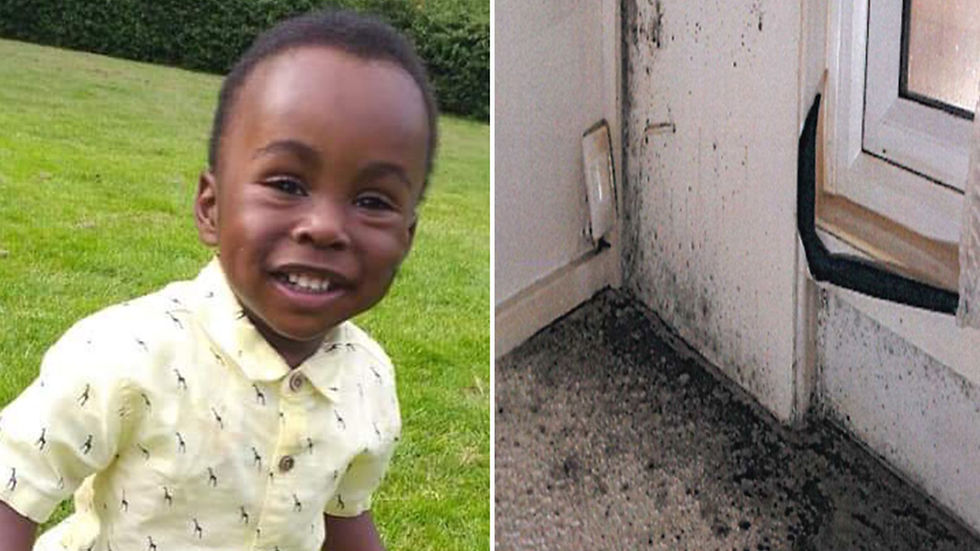
Black spot mould is a type of fungus that appears as small, dark patches on surfaces exposed to moisture. It commonly grows on walls, ceilings, window frames, and other areas where condensation or leaks occur. Unlike some other moulds, black spot mould is often visible as distinct black or dark green spots, making it easier to identify.
This mould thrives in environments with high humidity and poor ventilation. Homes with inadequate insulation or water damage are particularly susceptible. Materials like internal solid wall plaster, wood, and wallpaper provide a suitable surface for black spot mould to develop.
How Black Spot Mould Affects Health
Exposure to black spot mould can lead to various health problems, especially for people with allergies, asthma, or weakened immune systems. The spores released by the mould can irritate the respiratory system and trigger allergic reactions.
Common Health Issues Linked to Black Spot Mould
Respiratory problems: Breathing in mould spores can cause coughing, wheezing, and shortness of breath. People with asthma may experience more frequent or severe attacks.
Allergic reactions: Symptoms include sneezing, runny nose, itchy eyes, and skin rashes.
Infections: Though rare, mould exposure can lead to fungal infections, particularly in individuals with compromised immune systems.
Toxic effects: Some moulds produce mycotoxins, which can cause headaches, fatigue, and dizziness when inhaled over long periods.
Children, elderly people, and those with pre-existing lung conditions are at higher risk of experiencing severe symptoms.
Preventing Black Spot Mould in Your Home
Preventing black spot mould starts with controlling moisture levels and improving ventilation. Here are practical steps to reduce the risk:
Fix leaks promptly: Repair any plumbing or roof leaks to prevent water accumulation.
Use dehumidifiers: These devices help maintain indoor humidity below 60%, discouraging mould growth.
Improve ventilation: Open windows regularly and use extractor fans in kitchens and bathrooms.
Insulate walls: Proper insulation reduces condensation on cold surfaces.
Choose mould resistant materials: Products like AeroCork™ (Cork Plaster) provide natural resistance to moisture and mould growth, making them excellent options for walls and ceilings.
Using materials such as AeroCork™ Plaster not only helps prevent mould but also improves indoor air quality by regulating humidity naturally, as a vapour permeable material.
How to Remove Black Spot Mould Safely
If black spot mould has already appeared, removing it safely is crucial to avoid spreading spores and worsening health risks.
Steps for Safe Removal
Protect yourself: Wear gloves, a mask, and goggles to avoid direct contact with mould spores.
Ventilate the area: Open windows and doors to increase airflow.
Clean the surface: Use a mixture of water and detergent or a commercial mould remover. Avoid bleach on porous surfaces as it may not penetrate deeply.
Dry thoroughly: After cleaning, ensure the area is completely dry to prevent mould from returning.
Dispose of contaminated materials: Items like wallpaper or insulation that are heavily moulded should be removed and replaced.
For large infestations or if you have health concerns, consider hiring a professional mould remediation service.
Why Choosing The Solution Matters
Materials like AeroCork™ Plaster offers natural properties that help resist moisture and inhibit mould growth by warming the cold surface using the natural properties of cork along side aerogel making them smart choices for areas prone to dampness.
AeroCork™ is lightweight, breathable, and provides excellent insulation, reducing condensation.
TIWI Spray Cork creates a natural insulating barrier against moisture while allowing walls to breathe, preventing trapped humidity.
Using these materials can reduce the chances of black spot mould developing, protecting both your home and health.
When to Seek Medical Advice
If you or your family experience persistent respiratory symptoms, allergic reactions, or unexplained fatigue and headaches, consider the possibility of mould exposure. Consult a healthcare professional for proper diagnosis and treatment.
People with asthma or other respiratory conditions should be especially cautious and seek advice if symptoms worsen.